
Author name: Catalyst Marketing

Blog

How Small Businesses Can Use AI Without Hiring a Technical Team

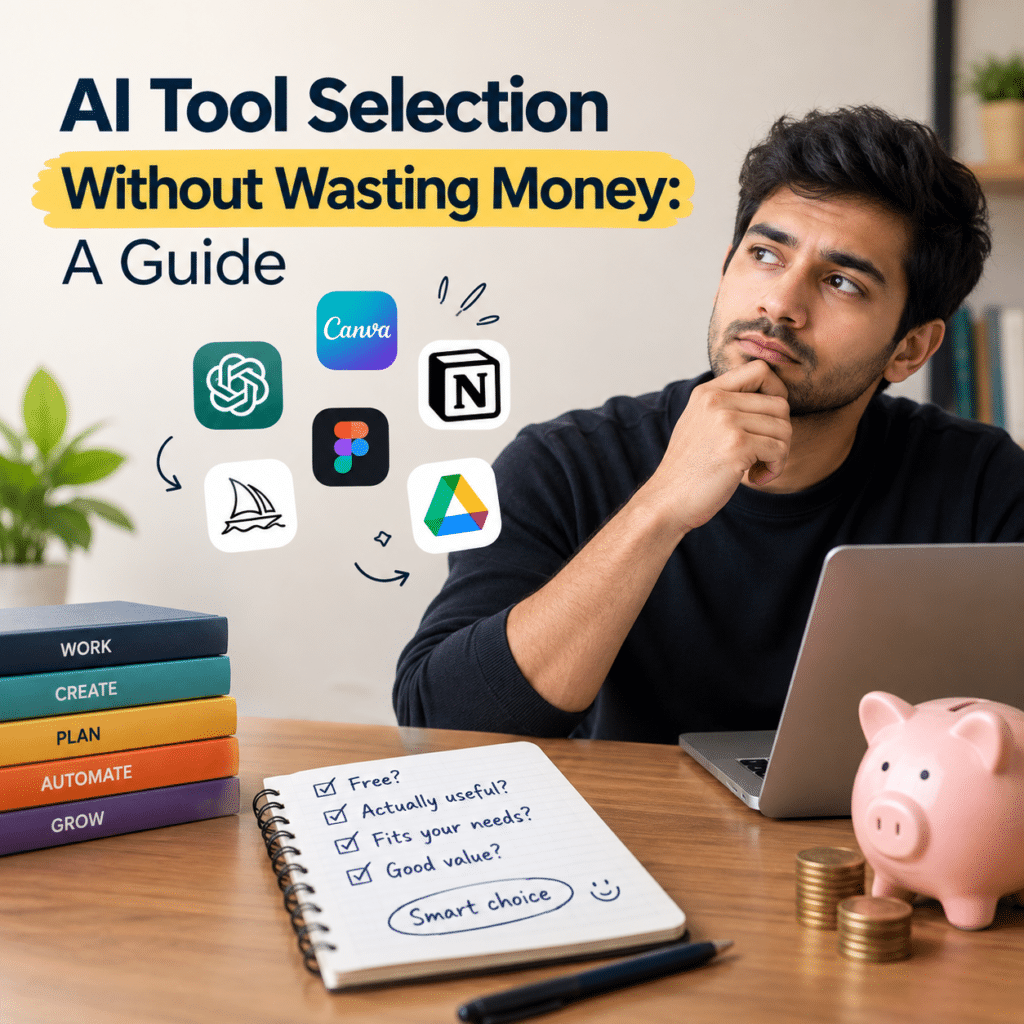
Running a small business usually means wearing five or six hats at once. You are the marketer, the bookkeeper, the customer support line, and the person answering emails at ten at night. Hiring a technical team to build custom software or manage automation used to be the only way to lighten that load, and for most small businesses, that was never realistic on a tight budget. That has changed. AI tools for small businesses have reached a point where almost none of them require coding, IT staff, or a big learning curve. Most work through plain typed instructions, and many have free plans generous enough to test before paying anything. The tools below are real, currently available products, organised by the actual jobs they solve, along with what each one is genuinely good at. Writing and Content: ChatGPT and Claude ChatGPT, built by OpenAI, is one of the most widely used AI tools for small business owners, and for good reason. It handles product descriptions, email replies, blog drafts, social captions, and basic research, all through typed prompts in plain English. There is no setup beyond creating an account. Claude, built by Anthropic, works similarly and is especially strong for longer writing tasks, document analysis, and multi-step work. Claude Cowork extends this further by letting a small business owner hand off a whole task, like researching competitors or drafting a full content calendar, rather than working prompt by prompt. For a solo owner or a two-person team, either tool effectively replaces the research and first-draft writing work a copywriter would normally do. Design: Canva’s Magic Studio Canva has built a full suite of AI design features under the name Magic Studio. Within it, Magic Write generates text for designs, Magic Design builds full layouts from a single prompt, and Magic Eraser and Magic Expand clean up or extend images without any photo editing skill. A small business can use these tools to produce social media posts, flyers, menus, and product mockups without hiring a designer. The free plan covers a reasonable number of AI credits each month, which is often enough for a small business posting a handful of times per week. Heavier users typically move to the paid plan once they outgrow the free credit limit. Automation Between Apps: Zapier One of the highest hidden costs in a small business is manual repetition, things like copying a new customer’s details from an order form into a spreadsheet, or manually sending a welcome email every time someone signs up. Zapier connects different apps together and automates that kind of repetitive transfer work, without needing a developer to write integration code. You can set up a Zapier automation so that a new form submission automatically creates an invoice, adds a contact to your email list, and sends a confirmation message, all without touching each app individually. Most small businesses only need a handful of these automations to save several hours a week. Bookkeeping and Finance: QuickBooks with Intuit Assist QuickBooks, from Intuit, has built AI directly into its accounting platform through a feature called Intuit Assist. It automates transaction categorisation, flags unusual entries for review, drafts invoice reminders, and answers basic financial questions inside the platform itself. Rather than manually sorting expenses at the end of every month, a small business owner can let the AI handle the first pass and only step in to review flagged items. This does not replace an accountant for tax filing or complex financial decisions, but it meaningfully cuts down the hours spent on routine bookkeeping, which is often one of the most tedious parts of running a small business. Customer Relationship Management: HubSpot’s Breeze Keeping track of leads, follow-ups, and customer history gets difficult fast once a business has more than a handful of regular customers. HubSpot has built AI features under the name Breeze, which help with lead prospecting and customer service tasks directly inside its CRM. Small businesses can use it to prioritise which leads to follow up with, draft outreach messages, and keep customer interactions organised in one place, without needing a dedicated sales operations person. Meeting Notes and Transcription: Fireflies Small business owners often lose valuable details from calls and meetings simply because there is no time to take proper notes. Fireflies joins calls, transcribes them automatically, and produces a summary afterwards. This is particularly useful for client calls, vendor negotiations, or team check-ins, since it removes the need to either take notes by hand or rely on memory afterwards. Productivity and Notes: Notion AI Notion, already used by many small teams as a workspace for notes, tasks, and documents, has built AI features directly into the platform. Notion AI can summarise long documents, draft meeting notes, and help organise scattered information into a usable knowledge base. For a small business trying to keep processes and institutional knowledge in one place, this reduces the time spent writing things up manually. Why This Matters for Small Businesses Specifically Small Businesses Can Use AI: None of the tools above requires writing code, managing servers, or understanding how AI models work under the hood. They are built so a non-technical business owner can type what they need in plain language and get a usable result. This is the real shift that has happened over the past couple of years: AI capability that used to require a technical team is now packaged into normal business software that anyone can use directly. The practical approach is not to adopt every tool on this list at once. Start with the single task that eats the most time in your week, whether that is content writing, bookkeeping, or customer follow-up, and bring in one tool to handle it. Once that tool is comfortably part of your routine, add the next one. Conclusion Small businesses no longer need a technical team to benefit from AI. Tools like ChatGPT, Claude, Canva’s Magic Studio, Zapier, QuickBooks’ Intuit Assist, HubSpot’s Breeze, Fireflies, and Notion AI now handle writing, design, automation,

Blog

How Continuous Learning Creates Better Career Opportunities

There was a time when finishing school or getting a degree meant your learning was basically done. You picked a field, mastered it once, and coasted on that knowledge for the rest of your working life. That approach barely holds up anymore. Continuous learning has become one of the biggest factors separating people who grow in their careers from people who feel stuck in the same role year after year. It is not about collecting certificates for the sake of it. It is about staying useful, staying curious, and staying ready for whatever your industry throws at you next. The people who keep learning are usually the same people who keep getting picked for better roles, bigger projects, and new opportunities. Why Standing Still Is Riskier Than It Looks Industries change faster than most people expect. Tools get replaced, processes get automated, and skills that felt essential five years ago can quietly become outdated. Someone who stopped learning the day they got their job title often does not notice the gap forming until a promotion goes to someone else, or their role gets restructured around them. Continuous learning protects you from becoming irrelevant without realising it. It is not always dramatic. Sometimes it is as simple as learning a new software feature, understanding a shift in customer behaviour, or picking up a skill your team did not need last year but needs now. People who treat learning as a habit rarely get caught off guard. Continuous Learning Opens Doors You Did Not Know Existed One of the most overlooked benefits of learning consistently is that it exposes you to opportunities you would not have known to look for. A person who only sticks to their job description tends to see a narrow set of paths forward. A person who keeps learning, reading, and picking up new skills tends to notice openings, side projects, and roles that fit them, simply because they understand more of what is happening around them. Growth rarely comes to people who wait for it. It comes to people who prepare for it before it shows up. Someone who has been quietly building skills in data analysis, communication, or project management is far more ready to raise their hand when a new opportunity appears than someone who has to start learning from zero once the chance is already in front of them. It Builds Confidence, Not Just Knowledge Learning something new and applying it successfully does more than add a line to your resume. It builds a kind of confidence that shows up in how you speak in meetings, how you handle unfamiliar problems, and how willing you are to take on responsibility. People who keep learning tend to trust their own judgment more, because they have proof that they can figure things out. This confidence is often what managers notice before they notice the actual skill. A person who is calm and capable when facing something new usually gets trusted with more, faster. That trust is what turns into promotions, leadership roles, and bigger responsibilities over time. Employers Are Actively Looking for This Trait Ask almost any manager what worries them about hiring, and a common answer is uncertainty about whether someone can adapt once the job itself changes. Roles evolve. Tools update. Priorities shift. Employers want people who will grow with the position, not just fill it as it exists today. Continuous learning signals adaptability, and adaptability is one of the hardest things to teach someone who does not already have it. A candidate who talks about a course they finished, a skill they picked up on their own, or a habit of reading about their industry stands out from someone who has not touched anything new since their last performance review. How to Build a Habit of Continuous Learning You do not need to enrol in an expensive program or spend hours every day to make this work. Small, steady effort adds up faster than most people expect. Here are a few simple ways to build the habit: Learning Never Really Has a Finish Line The biggest shift in mindset that helps people grow in their careers is understanding that learning is not a phase you complete once. It is an ongoing part of doing good work. The people who advance the most are rarely the most naturally talented in the room. They are usually the ones who kept showing up, kept adjusting, and kept learning long after it stopped being required of them. Continuous learning is less about talent and more about habit. Anyone can build it, regardless of their starting point, their industry, or how long they have been in their career already. Conclusion Careers do not grow on autopilot, and the people who move forward the fastest are usually the ones who never really stopped learning. Continuous learning builds the kind of readiness, confidence, and adaptability that opens doors long before those doors are visible to everyone else. If you want better opportunities down the line, the simplest place to start is not a big leap. It is a small, steady habit of learning something new, one week at a time.

Blog

Why Practical Business Education Is More Valuable Than Theory Alone

If you have ever sat through a business lecture and thought, “this sounds good on paper, but how does it actually work in real life?” you are not alone. Practical business education is quickly becoming the thing students and young professionals ask for the most, and for good reason. Books and case studies can explain how a business is supposed to run, but they rarely prepare you for the mess of running one yourself. Theory has its place. You need to understand concepts like supply and demand, cash flow, and market positioning before you can apply them. But knowing a concept and knowing how to use it under pressure are two very different skills. This is where practical business education steps in and closes the gap. The Gap Between Classroom Theory and Real Business Problems Most business courses are built around frameworks. You learn a model, memorise its steps, and apply it to a neat little case study that already has a clear answer. Real businesses are not that tidy. A shop owner does not care about the five forces model when a supplier misses a delivery and customers are waiting at the counter. A startup founder does not need a SWOT chart when payroll is due, and revenue has not come in yet. Practical business education focuses on decision-making under real conditions, not perfect ones. It teaches you to work with incomplete information, tight deadlines, and limited budgets, which is exactly what running or managing a business actually feels like. Students who go through hands-on training tend to make faster decisions later, simply because they have already practised making them. Why Practical Business Education Builds Confidence There is a big difference between reading about negotiation and actually negotiating a deal. There is a difference between studying a marketing funnel and building one from scratch, watching it fail, and fixing it. Doing builds confidence in a way that reading never can. When students work on live projects, internships, simulations, or small business consulting assignments, they get direct feedback. They see what works and what does not, right away. That feedback loop is what turns knowledge into skill. A person who has only read about handling a difficult client will freeze the first time it happens. A person who has actually handled one, even once, walks in with more composure. This is not to say theory is useless. It gives you the vocabulary and the reasoning behind decisions. But confidence comes from repetition and real experience, not from memorising a textbook chapter. Employers Want Skills, Not Just Degrees Ask any hiring manager what they look for in a new graduate, and very few will say “someone who can recite Porter’s five forces perfectly.” Most will talk about problem-solving, communication, adaptability, and the ability to actually get something done. These are skills built through practice, not lectures. This is why internships, apprenticeships, live projects, and business simulations have become such a strong part of modern education. Practical business education prepares students for the work itself, not just the interview. A candidate who can talk through a real project they managed, a budget they balanced, or a campaign they ran will almost always stand out over one who can only describe theory. Employers are not against academic knowledge. They simply want proof that a candidate can apply it. That proof comes from doing the work, not from a transcript alone. Learning by Doing Sticks Longer There is a simple truth about how people learn: we remember what we do far better than what we hear or read. Sitting through a lecture on financial planning might help you pass a test next week, but actually building a budget for a real event, a small business, or even your own finances will stay with you for years. This is why so many successful entrepreneurs and managers say their best lessons came from mistakes made on the job, not from a classroom. A failed product launch teaches more about market research than any chapter ever could. A tough client conversation teaches more about communication than a public speaking course. Practical experience turns information into memory, and memory into instinct. How to Get More Practical Business Education You do not need to wait for a formal program to start building real skills. Here are a few simple ways to get hands-on experience, whether you are a student or already working: Theory and Practice Work Best Together None of this means theory should be thrown out. A strong foundation in business concepts gives structure to what you learn through experience. The two work best as a pair. Theory tells you why something might work. Practice tells you whether it actually does, and teaches you what to do when it does not. Still, when it comes to preparing someone for the real world of business, practical business education carries more weight than theory alone. It builds confidence, sharpens decision-making, and gives people the kind of proof that employers and clients actually trust. If you are choosing between a course that is all lecture and one that lets you get your hands dirty, the second one will almost always serve you better in the long run. Conclusion Business theory gives you the language and the logic behind good decisions, but it cannot teach you how to act when the numbers do not add up or a plan falls apart halfway through. That kind of readiness only comes from doing the work. Practical business education turns knowledge into skill, and skill is what actually gets you hired, trusted, and promoted. If you want to grow faster, stop waiting for the perfect case study and start looking for real chances to apply what you know, one project, one decision, and one mistake at a time.

Blog

Air Waybill vs Bill of Lading: Key Differences

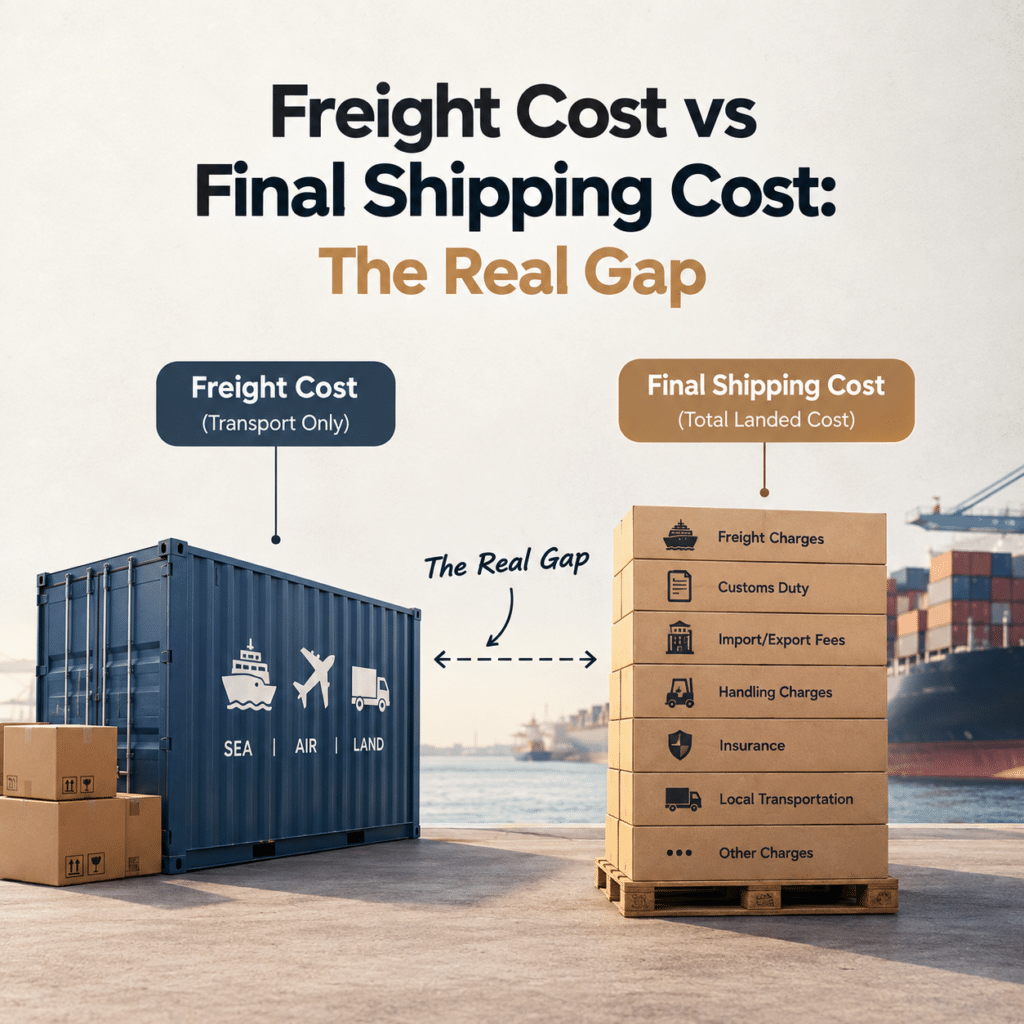
Anyone who has dealt with international shipping has run into these two documents. An air waybill vs bill of lading comparison comes up constantly in freight forwarding, trade finance, and customs clearance, because both documents look similar on the surface but behave very differently once goods are actually moving. Getting the two confused can cause real problems at a port or an airport, especially when money, ownership, or delivery rights are involved. This article breaks down what each document is, how they are structured, and where they genuinely differ, so you know exactly which one applies to your shipment and why. What Is an Air Waybill An Air Waybill (AWB) is the standard shipping document used for air cargo. It is issued by the airline or its agent and serves three main purposes: it acts as a contract of carriage between the shipper and the airline, it works as a receipt confirming the airline has taken possession of the goods, and it provides handling and routing instructions for the shipment. The AWB follows a format standardised by the International Air Transport Association (IATA). Every AWB carries an 11-digit number made up of a 3-digit airline prefix, a 7-digit serial number, and a 1-digit check digit used to catch errors. This number is what shippers and forwarders use to track cargo through an airline’s system. Air freight also uses two related versions of this document. A Master Air Waybill (MAWB) is issued by the airline to a freight forwarder and covers a consolidated shipment made up of cargo from several different shippers. A House Air Waybill (HAWB) is issued by the forwarder to each shipper within that consolidation. Most shippers dealing with a forwarder will see a HAWB, while the forwarder manages the MAWB with the airline. Air waybills are also increasingly issued as e-AWBs, a paperless format adopted under IATA rules that speeds up processing at airports and reduces manual document handling. What Is a Bill of Lading A Bill of Lading (BOL or B/L) is the equivalent document used in ocean freight, and it is also used in road and rail transport in many cases. Like the AWB, it serves as a receipt for goods and a contract of carriage. But it carries an additional function the air waybill does not: it can act as a document of title. This means a bill of lading can represent legal ownership of the goods it covers. Whoever holds a valid original bill of lading generally has the right to claim the cargo, which makes it useful in trade finance, letters of credit, and situations where goods are sold or pledged while still at sea. Bills of lading come in a few different forms. A straight bill of lading names one specific consignee and cannot be transferred to anyone else. An order bill of lading leaves the consignee field open to be completed by endorsement, which makes it tradable while the goods are in transit. A bearer bill of lading goes a step further, allowing whoever physically holds the document to claim the goods, with no named party required. As with air freight, ocean shipments often involve a Master Bill of Lading (MBL), issued by the shipping line to a freight forwarder, and a House Bill of Lading (HBL), issued by the forwarder to the individual shipper. Most bills of lading are governed by long-established international frameworks, with the Hague-Visby Rules being the most widely applied set of rules covering carrier liability and responsibilities in ocean shipping. The Core Difference: Negotiability and Title This is the single most important distinction between the two documents. A bill of lading can be negotiable and can transfer title to the goods. An air waybill can never do either of these things. An air waybill is always non-negotiable. It names a specific consignee, and that party alone can collect the shipment on arrival, typically just by proving their identity. Ownership of the goods is never tied to possession of the AWB itself. A bill of lading, particularly an order or bearer bill, can be bought, sold, or used as collateral while the cargo is still on the water. This is why bills of lading matter so much in trade finance: a bank financing a shipment can hold the original bill as security until payment is confirmed. Speed and Practicality Because an air waybill does not need to function as a title document, it is faster to process. The consignee does not need to present an original physical copy in most cases, and cargo can often be released as soon as identity is confirmed. This fits naturally with air freight, which is already chosen for its speed. A bill of lading, especially an original negotiable one, usually requires the physical document, or an approved electronic equivalent, to be presented before cargo is released. This adds a layer of process that suits ocean freight, where transit times are measured in days or weeks rather than hours, giving documents time to travel alongside or ahead of the goods. Legal Frameworks Behind Each Document Air waybills operate under international air law frameworks that originated with the Warsaw Convention and were later updated by the Montreal Convention, which most major aviation nations now follow. These frameworks set out carrier liability and responsibilities specific to air transport. Bills of lading, on the other hand, are shaped by maritime law, most commonly the Hague-Visby Rules, along with older Hague Rules and, in some jurisdictions, the Hamburg Rules. These frameworks address the unique risks of ocean transport, including longer transit times and the historical role of the bill of lading as a tradable document. Which One Do You Need The mode of transport decides this for you in most cases. If your cargo is moving by air, you will receive an air waybill, and it will be non-negotiable regardless of what you might prefer. If your cargo is moving by sea, you will typically deal with a bill of lading, and you will

Blog

The Difference Between Working in a Business and Building a Business

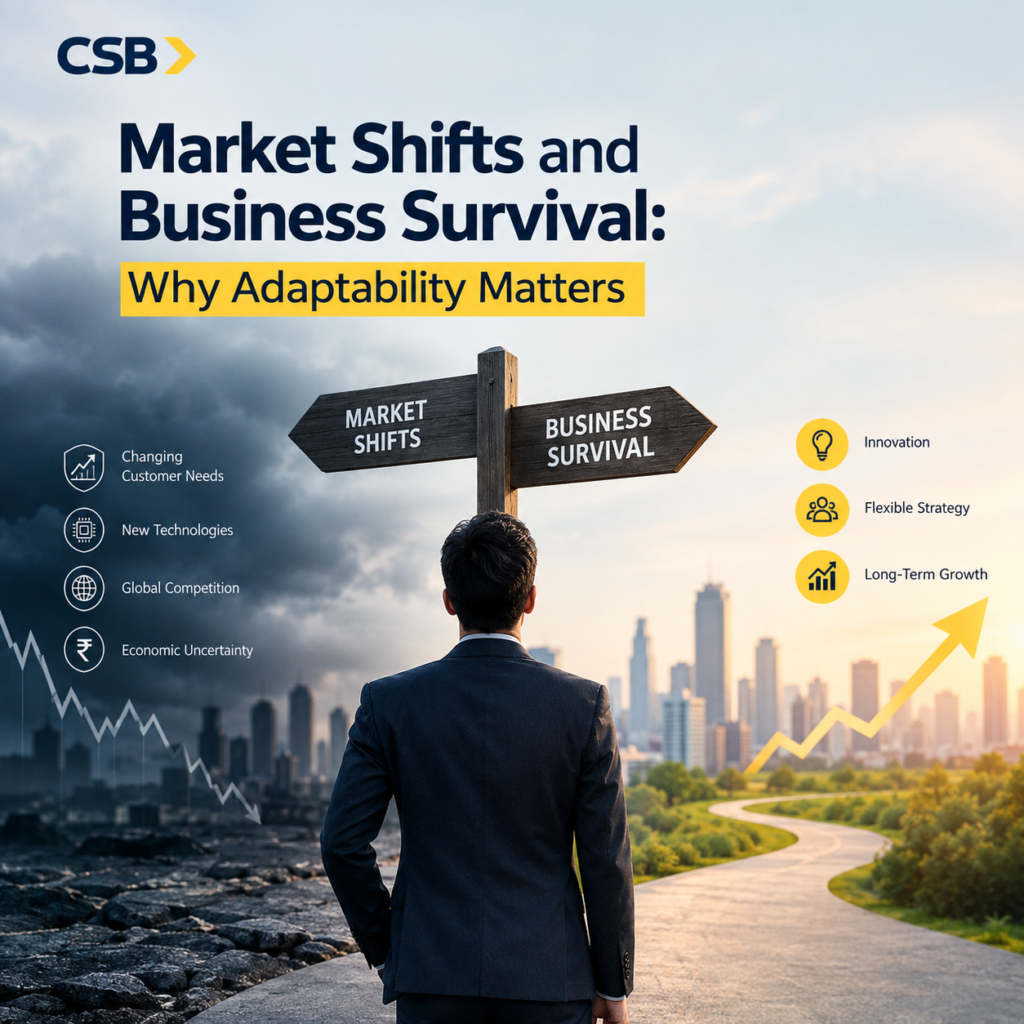
Working in a business vs building a business — the two sound almost the same, but they lead to two very different endings for the owner. I once knew a man who owned a restaurant for eleven years. He arrived before sunrise, checked every delivery himself, cooked when a chef called in sick, argued with vendors over invoices, and closed up most nights well past midnight. He worked harder than almost anyone I’ve met. And at the end of eleven years, when he finally wanted to retire, he discovered something brutal: nobody wanted to buy his restaurant. Without him standing in that kitchen, there was no business left to sell. He hadn’t built a business. He had built himself a very demanding job. That story sits at the center of something most new owners never get told plainly enough. Owning a business and building a business are not the same activity, and the difference between them decides whether you eventually get your life back or whether the business quietly becomes the rest of your life. Working In It Feels Like Progress When you’re working in a business, every day gives you the feeling of motion. You solve a problem, put out a fire, close a sale, or fix a broken process by hand. It’s satisfying in a way that’s hard to argue with, because you can see the results immediately. The dishes get done. The client gets served. The shipment goes out on time. This isn’t just a feeling. A survey of small business owners by The Alternative Board found that owners work an average of 49.4 hours a week, well beyond the 41.7 hours they believe they should be working, and 63 percent put in more than 50 hours a week. The same survey found something more telling than the hours themselves: owners consistently reported spending far more time working in their business than working on it. The hours were being logged. The business, structurally, wasn’t changing underneath them. The trap is that this kind of progress is personal, not structural. It depends entirely on you being present, alert, and available. The moment you step away, whether for a week’s vacation or a health scare or simply because you’re exhausted, the business doesn’t run itself. It waits for you. That waiting is the tell. A business that pauses when its owner isn’t in the room isn’t really a business yet. It’s a very elaborate way of being self-employed. Building It Feels Like Almost Nothing Is Happening Building a business looks completely different, and that’s exactly why so many owners avoid it without realising they’re avoiding it. Building means writing down the process instead of just doing it. It means training someone to do the job you’re good at, even though they’ll do it worse than you at first, and slower, and it will cost you time you don’t feel like you have. It means creating systems boring enough that a new hire can follow them without needing your judgment for every decision. None of that feels like progress in the moment. You can spend an entire afternoon writing a training manual and have nothing tangible to show for it by dinner. But six months later, that manual is the reason you can take a real vacation without your phone ringing every hour. The work of building a business is almost invisible while you’re doing it, and only becomes visible much later, in the form of a business that keeps functioning whether you’re there or not. Why This Isn’t Just a Lifestyle Problem It’s tempting to treat this as a work-life balance issue and leave it there. It isn’t. It’s a financial one, and the numbers are harder to ignore than the hours are. Research from the Exit Planning Institute, cited across multiple business advisory and M&A sources, found that roughly 70 to 80 percent of small businesses listed for sale never find a buyer. The most commonly cited reason isn’t a weak market or bad timing. It’s that the business can’t run without its owner, which turns a buyer’s excitement into hesitation the moment they picture themselves stepping into the role. The businesses that do sell pay a real price for that dependency, too. The International Business Brokers Association has found that owner-dependent businesses typically sell for 50 to 70 percent less than comparable businesses that can run independently, when they sell at all. A buyer isn’t purchasing your revenue. They’re purchasing a system that produces revenue without needing you personally inside it every day. If that system doesn’t exist, what you’re really offering them is a job wearing the costume of a business, and jobs don’t command a premium at the negotiating table. Why So Many Owners Never Make the Switch Part of the reason people stay stuck working in their business is that it’s genuinely more comfortable. Being the person everyone depends on feels good. It confirms that you’re needed, that the whole operation would fall apart without you, and there’s a strange kind of pride wrapped up in that. Letting go of tasks means admitting someone else might handle them well enough, which, for a lot of owners, feels less like delegation and more like losing relevance. There’s also a simpler, less flattering reason: building takes longer to pay off than working does, and most people are wired to choose the reward that arrives today over the one that arrives next year. Fixing today’s crisis feels urgent. Documenting a process so that next year’s crisis never happens doesn’t feel urgent at all, until you’re standing in the middle of it wishing you had. The Actual Test Here’s a simple way to tell which one you’re doing. Imagine you disappear for a month, no calls, no emails, nothing. If your honest answer is that the business would struggle, lose customers, or stop functioning in some meaningful way, you are working in a business. If your honest answer is that it would run roughly the same, maybe

Blog

How to Register an Import-Export Code (IEC) in India: A Complete Step-by-Step Guide

IEC registration is the wall every business trying to ship a product outside India, or bring one in, eventually runs into on the same day: the payment is ready, the buyer is waiting, and the shipment can’t move because of ten digits nobody explained clearly beforehand. That number is the Import-Export Code, and it is the single document that decides whether your business can legally trade across India’s borders at all. Unlike a lot of Indian compliance paperwork, this one isn’t actually complicated once you know the sequence. It’s a short online application, a handful of documents you likely already have, and a fee that costs less than a dinner out. What trips people up is not the process itself but the small print around it, particularly a yearly requirement most new applicants never hear about until it’s too late. This guide walks through the entire IEC registration process accurately, from what the code is to what happens after you get it. What an IEC Actually Is An Importer-Exporter Code (IEC) is a 10-digit identification number issued by the Directorate General of Foreign Trade (DGFT), which functions under India’s Ministry of Commerce and Industry. Its legal basis sits in the Foreign Trade (Development and Regulation) Act, 1992, which requires that no person can import or export goods or services from India without holding a valid IEC, subject to a short list of exemptions covered below. The code is PAN-based, and only one IEC is issued against a single PAN. If your business already has a PAN, whether you’re a sole proprietor, a partnership, an LLP, a private limited company, a trust, or a Hindu Undivided Family, that PAN becomes the anchor for your IEC registration. There is no separate registration number issued outside of this system anymore, which is a change from how the process worked years ago. Who Actually Needs One (and Who’s Exempt) If you plan to import or export goods or services commercially, from a single freelance export invoice to a full manufacturing operation, you need an IEC before that first shipment moves. DGFT’s own Handbook of Procedures does carve out specific exemptions, though, and it’s worth knowing them so you don’t register unnecessarily: • Central or State Government ministries and departments conducting official trade • Individuals importing or exporting goods strictly for personal use, unconnected to trade, manufacturing, or agriculture • Small-value trade with Nepal, where the CIF value of a single consignment stays under Rs 25,000, and specified border trade with Myanmar through the Indo-Myanmar border areas • Diplomatic personnel and specified international organisations are covered under separate customs duty exemptions. One important caveat: this exemption does not extend to the export of SCOMET items, the government’s list of Special Chemicals, Organisms, Materials, Equipment and Technologies, even for otherwise-exempt categories. If your goods fall under that list, an IEC is required regardless of who you are. Documents You’ll Need Before You Start Having these ready before you open the DGFT portal will save you from restarting the application halfway through: • PAN card of the applicant, whether that’s an individual proprietor or a business entity • Aadhaar card of the proprietor or authorised signatory, used for e-signing the application via Aadhaar OTP (a Class 3 Digital Signature Certificate works as an alternative) • Address proof for the principal place of business, such as a recent electricity bill, a rent or lease agreement, or a sale deed • A bank certificate in the prescribed format, or a cancelled cheque showing the applicant’s name, bank name, and account number • A passport-size photograph of the proprietor or authorised signatory Step-by-Step: How to Complete IEC Registration Online The entire application happens on dgft.gov.in, and there’s no offline or in-person alternative anymore. • Register on the DGFT portal with a valid email address and mobile number. The system sends an OTP and creates a user profile linked to your PAN. • Log in and open Form ANF-2A by selecting “Apply for IEC” from the Services menu. • Fill in business details, including proprietor or director information, the nature of the business, and bank account details. • Upload the scanned documents listed above. • Pay the application fee online through net banking, a debit card, or UPI. • Sign the application digitally, either through Aadhaar OTP e-signing or a Class 3 Digital Signature Certificate. • Submit. Once DGFT processes it, you can download your IEC certificate directly from the portal, and it will also arrive by email. Fees and Processing Time A new IEC registration costs Rs 500, paid online at the time of application. Most clean applications, meaning ones with no document mismatches or unclear uploads, are processed within 1 to 3 working days. If DGFT flags a discrepancy, such as an address proof that doesn’t match the applicant’s name, expect a query on the portal and a short delay while you resubmit the corrected document. The Annual Update Rule Almost Nobody Explains Upfront This is the part of IEC compliance that catches the most people off guard. The code itself carries lifetime validity, but that’s only half the story. Under DGFT Notification No. 58/2015-2020, dated 12 February 2021, every IEC holder must log in and electronically confirm or update their IEC details once a year, between 1 April and 30 June, even if absolutely nothing about the business has changed. Skip that window, and the consequence isn’t a warning letter; it’s automatic deactivation of the IEC starting 1 July. A deactivated IEC means customs won’t clear your shipments, your bank won’t process related international payments, and any pending export incentive claims get frozen until you complete the overdue update and the code is reactivated. The fix is simple once you know about it: log into the DGFT portal every April through June, confirm your details even if unchanged, and move on. The update itself is free when done within the window. What Comes After You Get Your IEC Getting the IEC is the foundational step, not the

Blog

Technical Analysis vs Fundamental Analysis: Which One Should You Learn First?

The debate over technical analysis vs fundamental analysis is one every new investor eventually runs into, usually within the first week of opening a trading account. Two people open their first trading app on the same day. One immediately starts reading company balance sheets, annual reports, and earnings calls. The other pulls up a candlestick chart, draws a few trendlines, and starts hunting for a “breakout.” Six months later, one of them has a framework they can explain in two sentences. The other is still arguing with strangers online about which moving average is the “right” one. Neither is wrong to have started where they did, but almost nobody tells beginners that the order in which they learn these two skills matters as much as learning them at all. What Fundamental Analysis Actually Means Fundamental analysis is the practice of determining what a business is actually worth, then comparing it to what the market is charging for it. It means reading financial statements, understanding revenue growth, debt levels, profit margins, and competitive position, and forming a view on whether a stock is cheap, expensive, or fairly priced relative to the company behind it. This is the approach associated with long-term investors, the kind of research that asks “is this a good business” rather than “is this stock about to move.” It is slower by design. A single earnings report takes real time to read properly, and a full valuation model can take hours to build. But it answers a question technical analysis cannot: whether you actually want to own a piece of this company for the next several years. What Technical Analysis Actually Means Technical analysis studies price and volume charts to identify patterns, trends, and probable short-term direction. It assumes that everything relevant – earnings, sentiment, news – is already reflected in the price. That price movement itself contains information about what buyers and sellers are likely to do next. Support and resistance levels, moving averages, RSI, and chart patterns all fall under this umbrella. It is faster to act on and easier to apply across almost any asset, which is exactly why it dominates day trading and short-term strategies. The tradeoff is that it says almost nothing about whether the underlying business is healthy. A stock can look technically perfect and still belong to a company quietly running out of cash. Why Fundamentals Usually Deserve to Come First Here’s the uncomfortable part of this conversation that most trading content skips. India’s securities regulator, SEBI, found that more than 70 per cent of individual intraday equity traders lost money in the 2022-23 financial year, and that the number of retail traders entering that segment had grown by more than 300 per cent over the previous four years. A separate, long-running body of research on active traders in the US, going back to work by finance professors Brad Barber (UC Davis) and Terrance Odean (UC Berkeley), found that the most frequent traders consistently underperformed the broader market once costs were accounted for. None of this means technical analysis is useless. It means jumping straight into short-term, chart-based trading without first understanding what you actually own is one of the most common and most expensive mistakes a beginner can make. Fundamental analysis forces patience and builds a habit of asking why a price is moving, not just noticing that it is. That habit tends to protect people from decisions they’d otherwise make on adrenaline alone. Why Some People Should Start With Technicals Anyway That said, fundamentals first is not a universal rule, and treating it as one does a disservice to a specific kind of learner. If your goal is genuinely short-term trading, not long-term investing, spending months building valuation models before you ever look at a chart can be its own kind of wasted effort. Someone who wants to trade options or futures on short time horizons needs to understand price action, volatility, and risk management long before a discounted cash flow model becomes useful to them. Technical analysis also teaches something fundamentals can’t: discipline around entries, exits, and position sizing. A brilliant analysis of a company’s balance sheet doesn’t protect you from holding a losing position too long out of stubbornness. Chart-based thinking, done properly, is really a risk management skill wearing a different costume. What Should Actually Decide the Order The honest answer depends less on which discipline is “better” and more on what you’re trying to do with your money. If your goal is building wealth over the years through owning businesses, learn fundamentals first, and treat charts as a secondary tool for timing entries once you already know what you want to buy. If your goal is active, short-term trading, learn price action and risk management first, and treat company research as context rather than a prerequisite. What rarely works is picking one and ignoring the other permanently. Long-term investors who ignore charts completely often buy great companies at genuinely bad prices. Short-term traders who ignore fundamentals completely tend to get blindsided by earnings surprises and news events that a five-minute chart could never have warned them about. Conclusion There isn’t a universally correct starting point in the technical analysis vs fundamental analysis debate, but there is a correct question to ask before choosing one: what timeframe are you actually planning to operate in? Long-term investors gain far more from starting with fundamentals, because the data on retail traders who skip straight to chart-based short-term trading is not encouraging. Short-term traders gain more from starting with price action and risk management, because that’s the skill set their strategy actually depends on. Learn the one that matches your real goal first, then come back for the other one. Markets tend to punish people who have only ever learned half the picture.

Blog

The Complete Guide to Using AI for Writing, Research, and Daily Productivity

Open ten browser tabs on any given afternoon and there’s a decent chance one of them is an AI chat window, half-typed into, then abandoned. The document is still blank. The deadline hasn’t moved. The tool that was supposed to fix this is just sitting there, blinking back. That’s not an access problem; AI adoption has outpaced the internet and the smartphone. What actually trips people up isn’t which AI to open; it’s knowing what to do with it once it’s open. Typing a question into an AI assistant takes ten seconds. Getting something genuinely useful back takes a handful of habits almost nobody bothers to teach. This guide covers habits for writing, research, and daily work, plus the one habit that determines whether AI-assisted work actually holds up when someone else looks at it closely. What “Using AI Well” Actually Means The businesses and individuals getting real value out of AI right now share one trait more than any other: they treat every AI output as a draft to check, not an answer to trust. That single reflex is the difference between a tool that saves hours and one that quietly creates more work than it removes. The scale of adoption makes this worth getting right. 91% of businesses now report using AI in at least one capacity, up from just 55% three years ago, and daily users report noticeably higher productivity and job satisfaction than colleagues who don’t use it. The catch: more than half the global workforce says it’s had no real training on these tools, which is exactly why habits matter more than which app icon someone taps. Using AI for Writing Writing is where most people start, and it’s also where AI earns its keep fastest, provided it’s used to accelerate the parts of writing that are mechanical rather than the parts that are actually yours to say. A few uses hold up consistently well: The habit worth building here is simple: use AI to get past the blank page and clean up mechanics, but keep the argument, the specific examples, and the final judgment calls in your own hands. Writing that reads as if a person edited an AI’s draft lands very differently from writing that reads as if AI produced the whole thing unsupervised, and people can usually tell the difference. Using AI for Research Research is the area where AI is most useful and most risky at the same time, and the risk is easy to underestimate because AI can present incorrect information with the same confident tone it uses for correct information. Frontier AI models in 2026 still hallucinate on somewhere between 3% and 19% of factual or citation-heavy queries, depending on the model and task, per Stanford’s 2026 AI Index and follow-up benchmarking. That number climbs sharply on open-ended and legal research specifically. Academic publishing is already feeling it: papers with at least one fabricated citation have risen roughly sixfold since 2023. None of this means AI research tools aren’t worth using; it means they’re worth using with a fixed set of checks attached, every time, regardless of how confident the answer sounds: Using AI for Daily Productivity Beyond writing and research, daily tasks are where AI adoption has become routine: 80% of employees now use AI tools at work, up from 53% just two years ago. The uses that stick tend to be narrow and repeatable rather than dramatic: The employees seeing the biggest gains aren’t using AI for everything; they’ve picked two or three recurring tasks, built a habit around handing those to AI, and stopped there. The Verification Habit Almost Nobody Builds Upfront This is the part of using AI that catches the most people off guard. The tools have gotten dramatically better: measured hallucination rates on grounded tasks have fallen roughly 95% since 2024. But better isn’t the same as reliable, and a residual error rate that never quite reaches zero means something will eventually slip through if nobody’s checking. Skip the check, and the consequence isn’t an error message; it’s a wrong number, a fabricated quote, or an invented citation that ships out under your name before anyone notices. AI failures read exactly like its successes: fluent, specific, and confident. That’s what makes them easy to miss and expensive to catch late. The fix is a habit, not a tool: before anything AI helped produce goes out the door, spend five minutes confirming that every name, date, number, and quotation in it is real and correctly attributed. It’s a small tax on every piece of AI-assisted work, and far cheaper than the correction that follows when it’s skipped. Getting More Out of Your Prompts Getting a reply out of an AI assistant isn’t the finish line either. Two habits typically separate a genuinely useful result from a mediocre one that needs a full rewrite: It also helps to match the tool to the task rather than defaulting to whichever one is already open: a writing-focused assistant for drafting and editing, a search-grounded research tool whenever the output needs real names, dates, or sources. A Few Specific Tools Worth Trying Naming specific products comes with a built-in expiration date; this market reshuffles every few months. Still, knowing roughly where things stand now beats picking blind, so here’s a snapshot mapped to the three areas above. None of this is a permanent verdict. Tools trade places within months, so treat this as a starting point for testing, not a final answer. Conclusion None of this requires becoming an AI power user overnight. It requires picking a handful of tasks in your own writing, research, and daily work where AI genuinely saves time, then building the one habit that keeps that time savings from turning into a cleanup job later: check what it gives you before you rely on it. Do that consistently, and AI stops being a novelty sitting in a browser tab and starts being what it was supposed to be all along: a fast,

Blog

Government Schemes for Exporters: Top Picks for 2026

Every exporter eventually hits the same wall: the product is competitive, the buyer is ready, and the margin still doesn’t quite work once fuel taxes, mandi cess, and interest on the working capital loan that funded the shipment are added in. What most exporters don’t realise is that several government schemes for exporters exist specifically to hand that cost back, and most businesses only ever end up using one or two of them. None of these schemes is secret, but nobody hands you a checklist when your IEC comes through. This guide walks through the government schemes for exporters actually worth knowing in 2026, what each one gives back, and the overlap rule that decides whether you can stack them. RoDTEP: The Government Scheme for Exporters Almost Everyone Should Claim RoDTEP (Remission of Duties and Taxes on Exported Products) is the single most widely used government scheme for exporters in India, and it refunds the embedded central, state, and local taxes baked into an export product’s cost that no other scheme touches, things like fuel excise, mandi tax, coal cess, electricity duty, and stamp duty on export documentation. It replaced the MEIS scheme in 2021 after MEIS was found to violate WTO rules, and it comes back as transferable e-scrips credited to an exporter’s electronic ledger on ICEGATE. Under DGFT Notification No. 74/2025-26 dated 31 March 2026, RoDTEP has been extended through 30 September 2026 for Domestic Tariff Area units, Advance Authorisation holders, EOUs, and SEZ units, at the rates already in force. The rule that trips people up: you must declare your intent to claim RoDTEP directly on the shipping bill at the time of export. Miss that box, and the benefit is gone permanently, with no retrospective fix. Duty Drawback and Advance Authorisation: Recovering Input Costs Two more government schemes for exporters work on the raw-material side rather than the finished product. Duty Drawback refunds the customs duty already paid on imported inputs used to manufacture an export product, and because it refunds a different cost than RoDTEP, both can be claimed on the same shipping bill. Advance Authorisation goes further and lets an exporter import those inputs, plus the fuel, oil, and packaging consumed in production, without paying duty in the first place, provided the finished goods are exported within a set period, and input quantities stay within DGFT’s defined wastage norms for that product. EPCG: Cheaper Machinery, With a Catch The Export Promotion Capital Goods scheme, one of the older government schemes for exporters investing in new machinery, lets exporters import equipment at zero customs duty, which matters most for manufacturers upgrading capacity. The catch is the export obligation: the business must export goods worth six times the duty saved, generally within six years of the EPCG authorisation being issued. Fall short, and DGFT can recover the duty along with interest. There’s some breathing room right now, too: a March 2026 public notice pushed the obligation deadline out to 31 August 2026 for authorisations that were due to expire between March and May 2026. RoSCTL: The Textile-Specific Version Apparel, garments, and made-ups don’t claim RoDTEP; they run on their own version of these government schemes for exporters called RoSCTL, which rebates state and central taxes specific to the textile value chain through the same e-scrip mechanism. The two schemes are mutually exclusive for the same shipment, so garment exporters need to check which one their product actually falls under before filing, not after. Cheaper Credit: The New Interest Subvention Scheme Exporters have long complained that Indian export credit costs more than what competitors in China, Vietnam, or Thailand pay. In January 2026, the newest of the government schemes for exporters launched: an interest subvention scheme under the six-year Export Promotion Mission, replacing the older Interest Equalisation Scheme. Eligible MSME manufacturer exporters now get a 2.75% interest subvention on pre- and post-shipment rupee export credit, capped at Rs 50 lakh per exporter per year and covering roughly 75% of six-digit tariff lines. The Export Promotion Mission itself carries a Rs 25,060 crore outlay through FY31, folding several fragmented schemes into one outcome-linked framework instead of the extend-every-six-months pattern RoDTEP and its predecessors have followed for years. NIRVIK: Insurance for the Payment That Never Comes The last of these government schemes for exporters covers what happens when a buyer defaults. ECGC’s NIRVIK scheme ensures banks against losses on export credit, covering up to 90% of both principal and interest, well above the 60% cover available under standard ECGC policies. That higher cover is what convinces banks to lend to exporters, particularly MSMEs and the gems and jewellery sector, at more competitive rates, since most of the bank’s downside risk sits with the insurance instead. The Overlap Rule Nobody Explains About These Government Schemes for Exporters This is where most exporters lose money without realising it. These schemes aren’t all stackable: RoSCTL and RoDTEP can’t both apply to the same shipment, and a missing shipping bill declaration forfeits RoDTEP with no way to reclaim it later. Getting the combination right, EPCG for machinery, Advance Authorisation for inputs, RoDTEP for the finished product, is usually what separates an exporter earning a genuinely competitive margin from one leaving five to ten per cent of it on the table simply because nobody checked which boxes to tick. Conclusion None of these government schemes for exporters requires an army of consultants to access. DGFT’s portal handles all of them, but they do require knowing they exist before the shipping bill is filed, not after. Keep an IEC, an ICEGATE login, and a clear read on which schemes actually apply to your product, and the machinery the government has built for exporters over the last five years starts working quietly in the background instead of sitting unclaimed.

Scroll to Top